

Yokogawa’s Sushi Sensors have the power to improve efficiency and reduce downtime.
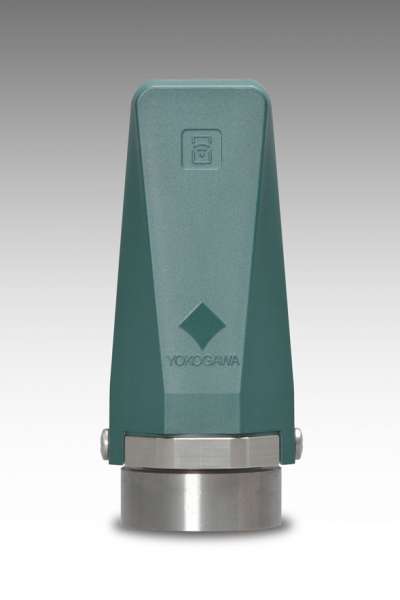
Modern plants need modern solutions to age-old problems. Traditional equipment monitoring on a large scale takes a monumental amount of planning and coordination. Yokogawa Sushi Sensor is designed to streamline this process. Optimized for industrial applications, the Sushi Sensor is a compact wireless device that monitors equipment operating conditions. Consistent monitoring helps to improve equipment maintenance and prevent failures by detecting signs of problems or abnormalities early.
Sushi Sensors can be installed plant wide in a variety of equipment and measure vibration, temperature, or pressure. The measured data is automatically stored on a local server in the cloud, allowing anyone, anywhere to monitor pumps, motors, and process variable equipment like valves, heat exchangers, and compressors as they are in use.
While some vital equipment may already be continuously monitored with wired sensors, those sensors are expensive to install, not designed for harsh environments, and still require traditional monitoring relying on operator rounds. By replacing equipment monitoring that relies on operator rounds with Yokogawa’s wireless Sushi Sensors, the traditional weekly or daily inspections can be replaced with automatic hourly monitoring. Using the data collected by the Sushi Sensors, statistical analysis can detect early signs of anomalies, preventing sudden equipment breakdowns and unexpected stoppages.
Benefits of Using Yokogawa’s Sushi Sensor Technology
There are many benefits to upgrading your equipment monitoring process with Sushi Sensors. The following list describes benefits that will directly impact the efficiency of your operations.
- Automated data acquisition: Sushi Sensors automatically acquire data from equipment, including those in hard to reach and hazardous areas. This helps to reduce inspection man-hours and improve the accuracy and consistency of data collection.
- Quantified and visualized inspection results: Sushi Sensors help to quantify and visualize inspection results that have previously depended on the intuition and experience of individual field operators. This makes it easier to identify trends and anomalies, and to make informed decisions about maintenance and
- Reduced variation in inspection quality: Sushi Sensors help to reduce variation in inspection quality due to human error or the differences in the skill and experience of field operators. This is because all data is collected using the same sensors and procedures.
- Early detection of abnormalities: Equipment trend monitoring with Sushi Sensors enables early detection of signs of abnormalities without overlooking them. This helps to prevent costly downtime and lost production.
Yokogawa products are known for their industry leading precision and reliability, and they pride themselves on innovating along with their customers. This means that Sushi Sensors were designed to meet specific customer challenges.
Here are some of the features of the Sushi Sensor that were designed with the end user in mind.
Features of the Sushi Sensor
- Easy installation: A Sushi Sensor is compact, lightweight, and battery-powered, making it easy to install in a variety of equipment. It is also operable in harsh environments, including hazardous areas.
- Excellent environmental resistance: Most commercially available vibration and temperature sensors are designed for indoor use. While the Sushi Sensor is designed to work in harsh environments.
- Easy data collection and monitoring: Sushi Sensor data can be collected over a wide area via long-distance wireless communication. Collected data can be accessed from user applications in the cloud.
If you’re interested in implementing Sushi Sensor technology in your operations, contact the team at Allied Instrumentation. Our experts are on hand to help you through the process.